
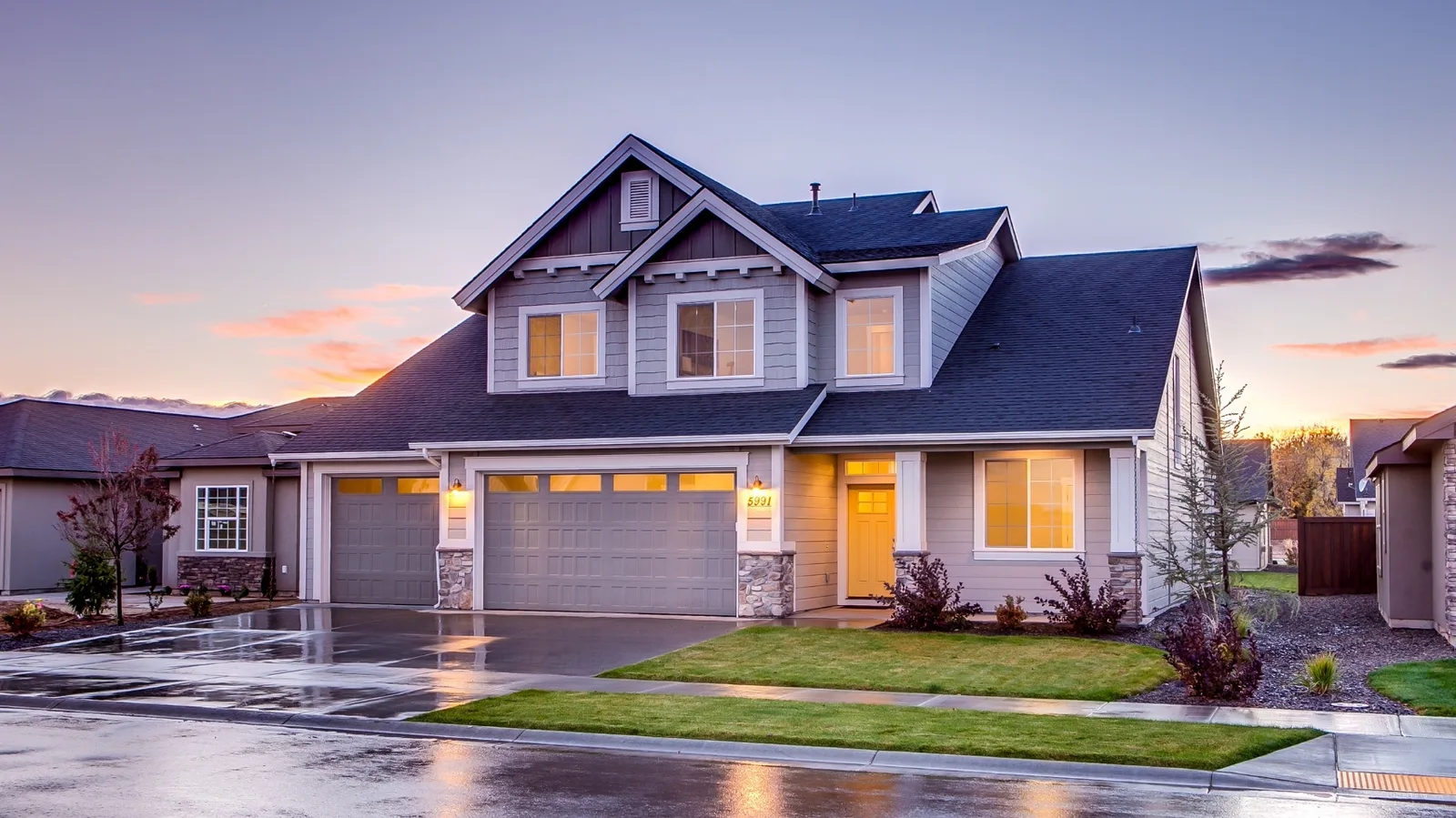
Roof Assembly Guide for Lansing
Understand the layers and connections beneath a Lansing roof. Learn what decking, water protection, flashing and ventilation each contribute to the finished system.
Free roof inspections. Clear repair and replacement choices.
Follow the water-shedding connections
A roof works by passing water from one layer or detail to the next. A failure where the parts meet can matter as much as damage to the shingles in the middle of a slope.
- A supported covering
The deck holds fasteners while the covering and underlayment shed water in connected layers. Damaged wood needs repair before roofing covers it.
- The interrupted details
Walls, valleys and roof openings need their own flashing connections. A new covering does not cure a failed joint left beneath it.
From the wood deck to the covering
- Decking
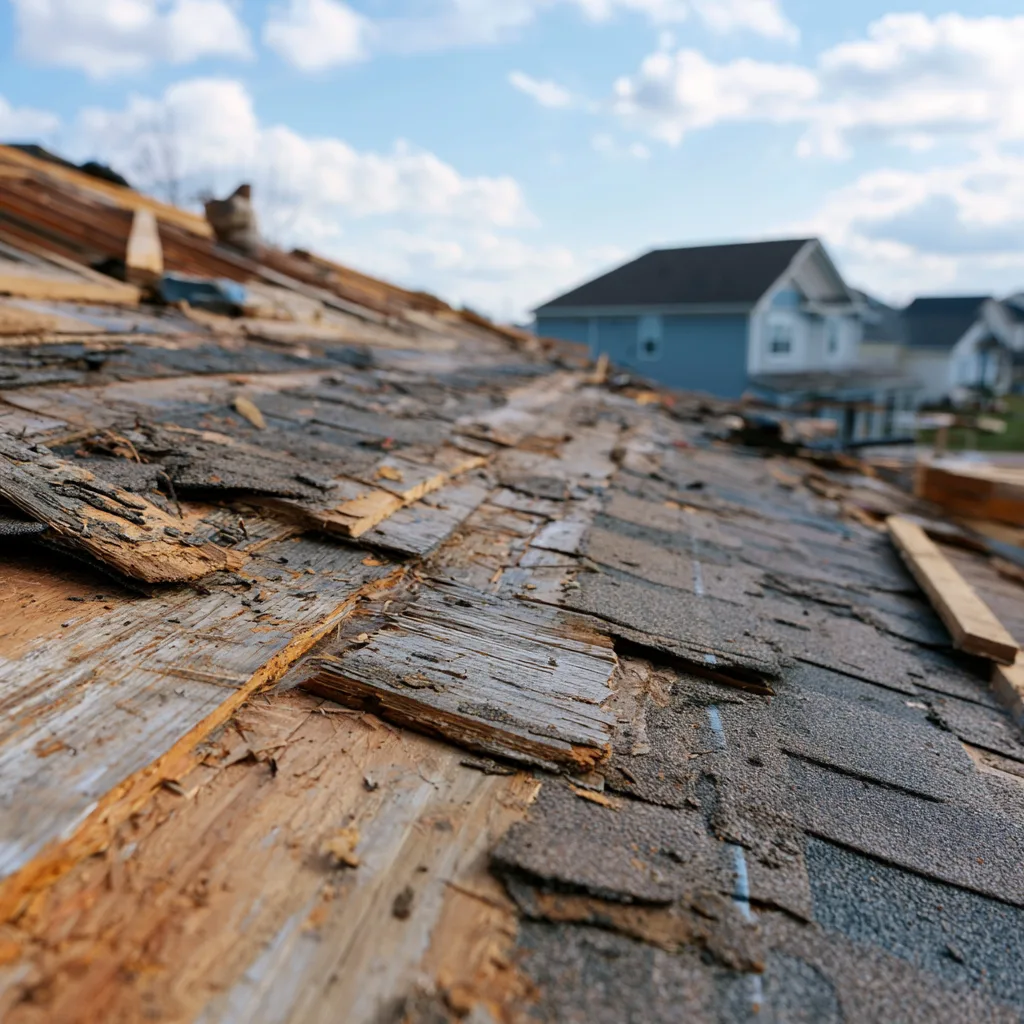
The structural surface holds the roofing fasteners. Deteriorated wood must be repaired before covering it; a new shingle does not improve a soft fastening base.
- Underlayment and self-adhered protection
These layers sit beneath the covering and serve different water-protection roles. Their laps and connections must match the selected system. Ice and water protection is not a substitute for flashing.
- Roof covering
Shingles, panels and other coverings have slope, fastening and accessory requirements. Material choices need the right assembly rather than treating the visible surface as interchangeable.
Flashings connect the interruptions
A roof-to-wall joint, valley or plumbing vent interrupts the broad covering. Flashing redirects water onto the roof below the interruption. Reusing separated metal beneath new shingles can preserve the original leak. A sound repair reaches the connection and restores its lap order.
Ventilation, drainage and replacement scope
- Airflow
Intake and exhaust need to work together with the attic and insulation arrangement. Adding exhaust without dependable intake does not resolve the whole ventilation question.
- Runoff
Gutters, outlets and low-slope drains keep water moving away. A blocked drainage route is different from failed roof flashing, even when both create water at the eave.
- Concealed work
Removal reveals wood and earlier details that are hidden during a visual inspection. That is why deck repair and concealed damage need a place in replacement planning.
Talk with us about the roof assembly
Call (913) 351-4180 or request a free roof inspection. Tell us the property location and what you noticed so we can begin with the right roof concern.